
Ensuring fleet efficiency with proper battery maintenance
Wendy de Clercq, Probe
Fleet managers face daily challenges to keep vehicles running smoothly while managing costs and minimising downtime. A crucial, yet often overlooked, component of this effort is effective battery maintenance. While batteries are frequently blamed for breakdowns, the root cause of such issues often lies elsewhere. Understanding these causes and implementing efficient maintenance practices can significantly boost vehicle reliability and extend battery life.
Common culprits of battery-related breakdowns
It’s not uncommon for battery failure to be the scapegoat during vehicle breakdowns. However, closer inspection usually reveals external factors at play. Addressing these issues starts with recognising where potential faults arise:
- Poor fitment
Improper battery clamps or poorly designed wiring can cause serious problems. For example, under-spec battery clamps may lead to overheating cables, melted terminals, and subsequent breakdowns.
- Unsecured batteries
Batteries that are not firmly held down are exposed to excessive vibration. This constant movement stresses internal components, leading to premature failure.
- Mixing old with new
Adding a new battery to an old series connection is a high-risk move. An ageing battery may significantly drag down the performance of the new one, causing electrical imbalances and increasing the likelihood of future downtime.
- Battery swapping between trucks
While this may seem like a quick fix, swapping batteries without considering secure connections often leads to loose clamps or cables. These small oversights can escalate, causing avoidable disruptions further down the road.
Prioritising battery reliability
For fleet managers, the pressure to cut costs often results in decisions that jeopardise long-term battery reliability.
Choosing cheaper, under-spec batteries as replacements is a common pitfall. While this might save money upfront, it increases the risk of failures caused by factors like:
- Vibration
Fleet vehicles frequently operate on rugged terrains where constant vibration is inevitable. Unless batteries are specifically designed for such conditions, their durability and performance can suffer.
- Excessive heat
High operating temperatures can weaken a battery’s structural integrity over time, leading to diminished reliability. Both heat and vibration increase stress on the battery, reducing its lifespan and causing emergency breakdowns.
By understanding these risks, fleet managers can make informed decisions when selecting and managing their batteries. While cost is vital, it should never outweigh the importance of quality and suitability.
Efficient battery maintenance tips
Proper maintenance is key to ensuring a fleet stays operational and cost-effective. Incorporating the following practices into routine maintenance schedules can dramatically improve battery lifespan and performance:
1. Regular cleaning
Fleet vehicles face tough conditions, from muddy terrains to oil-soaked roads. Dirt, grime, and oil residue on battery surfaces are more than just unsightly; they can accelerate self-discharge rates.
- Action step: Include battery washing as part of routine maintenance. Well-maintained, clean batteries will consistently outperform neglected ones.
2. Check and secure terminals
Loose terminals or cables are a leading cause of battery-related issues. Ensuring that all connections are secure not only prevents electrical faults but also minimises damage from vibrations.
- Action step: Inspect battery cables and clamps during every maintenance check. Replace any worn or faulty components immediately.
3. Ensure battery hold-downs are secured
A seemingly minor detail, battery hold-downs are often overlooked but play a significant role in reducing vibrations.
- Action step: Test the stability of hold-downs regularly. Secure any loose batteries before returning vehicles to the road.
4. Monitor battery health
Failing to check battery condition might lead to preventable problems during a delivery route.
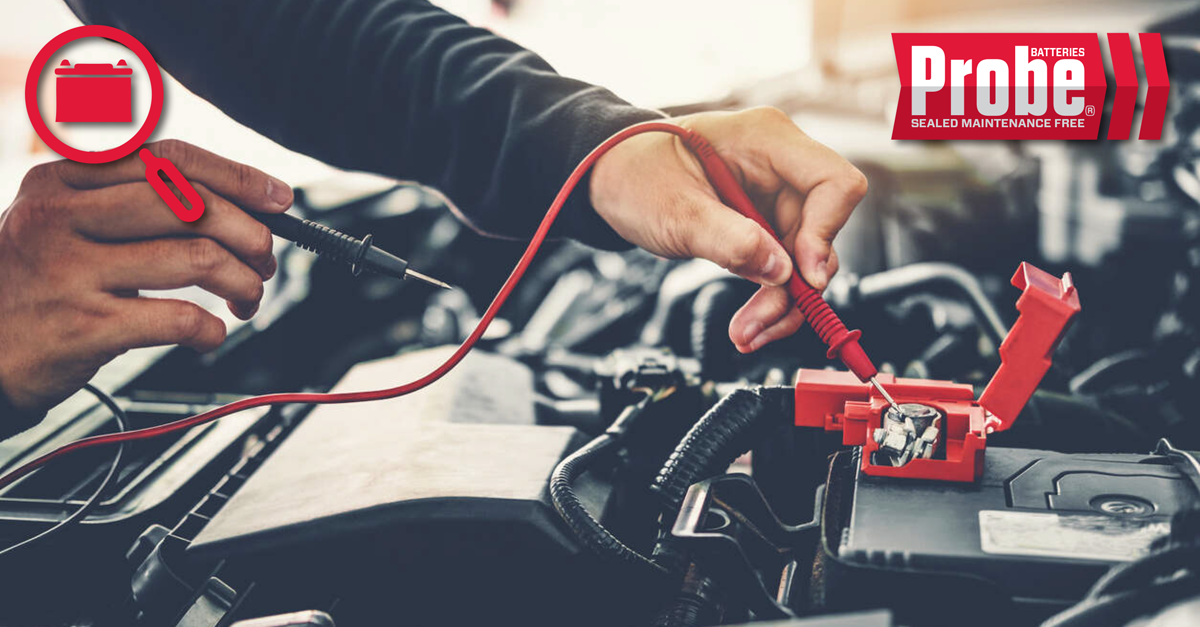
- Action step: Use diagnostic tools to assess battery health and performance in all vehicles before they leave the depot.
5. Verify the vehicle’s charge rate
Overcharging or undercharging a battery can quickly dismantle its effectiveness, causing long-term damage that may go unnoticed until it’s too late.
- Action step: Incorporate charge rate checks into every maintenance session. Ensure alternators are delivering an optimal charge to preserve battery health.
Transforming maintenance into cost savings
Preventive measures focused on proper battery upkeep can lead to significant cost savings, reduced downtime, and enhanced fleet dependability. By investing in suitable batteries and prioritising effective maintenance practices, fleet managers can sidestep many of the common pitfalls that lead to breakdowns.
Key takeaways for fleet managers
- Address external factors like poor fitment and loose connections to prevent battery-related issues.
- Prioritise quality and specification when selecting replacement batteries.
- Commit to regular maintenance practices, including cleaning, securing clamps, and monitoring electrical health.
Actionable next steps
- Audit your fleet’s current battery health and configurations.
- Establish a preventive maintenance programme that focuses on batteries.
- Partner with reliable suppliers like Probe Batteries for expert advice and top-quality products tailored to your fleet’s needs.
Take proactive steps today to ensure your fleet remains efficient, reliable, and ready for the challenges of tomorrow.
(ENDS)
For support in implementing successful Collision Avoidance Systems in your mining operations, contact Probe IMT. Tel: +27(0) 86 045 3789 | www.probeimt.co.za | info@imtmining.co.za