
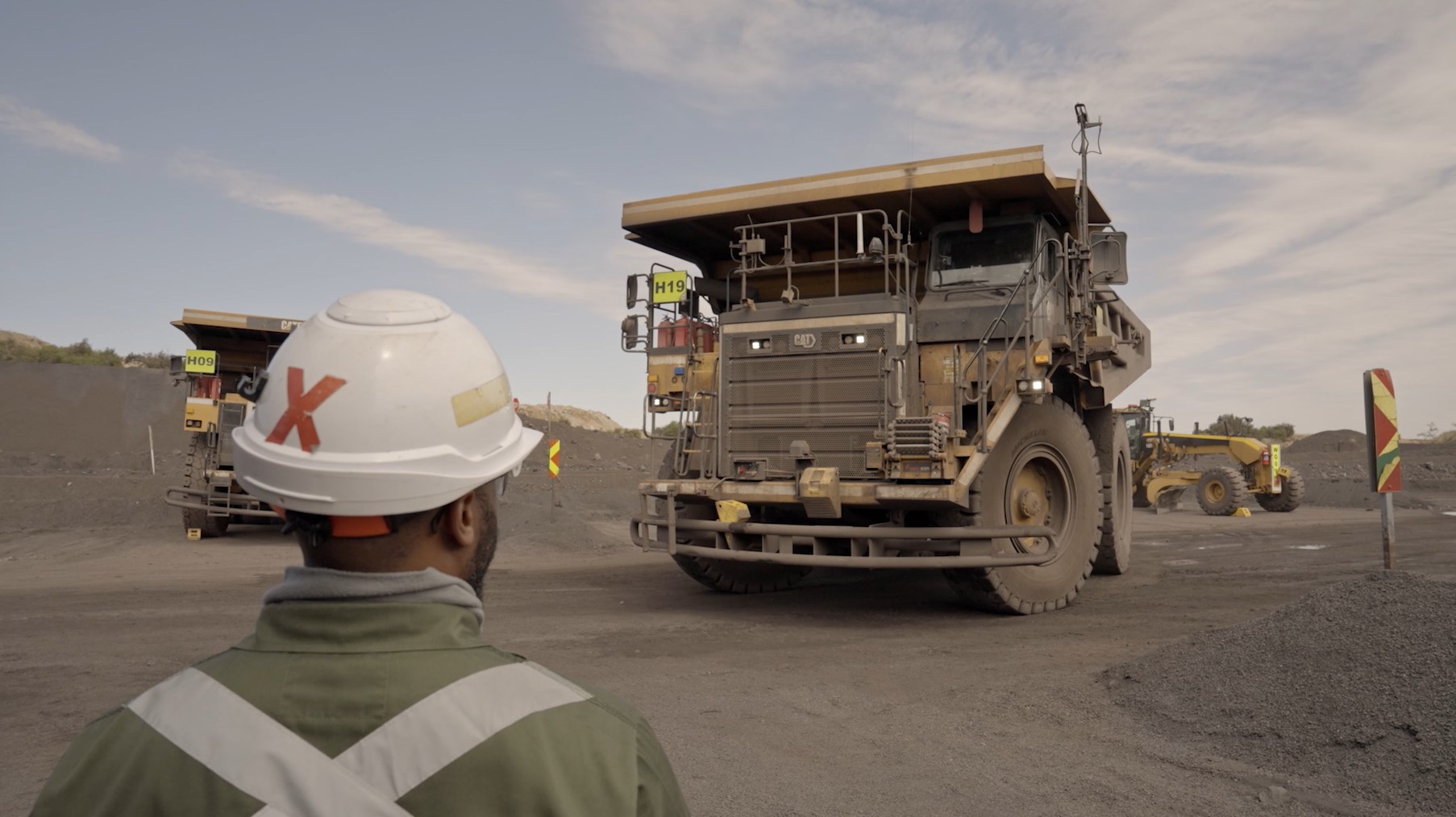
Successful CAS deployment – Insights from the field
By Gert J. Roselt, CEO of Probe Integrated Mining Technologies (Probe IMT)
Achieving true success with EMESRT Level 9 compliant Collision Avoidance System (CAS) implementation requires far more than technology alone.
As the value-added partner for Wabtec across Southern Africa, we’ve learnt an integrated approach ensures that CAS enhances, rather than hinders, mining productivity. Our practical implementations have provided valuable insights on the complexities involved in successful CAS deployment.
Wabtec’s White Paper, Key Insights for the Successful Implementation of Proximity Detection & Collision Avoidance Technology for Reducing Vehicle Interaction Risk, outlines how successful CAS deployment requires a comprehensive approach that integrates advanced technology with robust site-level controls, comprehensive operator training, and effective change management.
When CAS functions as a standalone system without integration into existing mine controls, projects consistently fail to meet stakeholder expectations. This understanding has driven industry alignment with EMESRT and ICMM best practices, ensuring that CAS implementation supports, rather than replaces, fundamental safety controls at Levels 1-6 of the defensive control hierarchy.
Modern CAS solutions rely on sophisticated sensor fusion combining multiple detection technologies. However, the true capability of any CAS lies not in its sensors but in its “rules engine” – the intelligent software algorithms that differentiate between normal safe interactions and genuine collision threats. This intelligence is critical for preventing the nuisance alarms that can lead to operator fatigue, complacency, and ultimately, system bypassing.
Perhaps the most overlooked aspect of successful CAS implementation is human factors engineering.
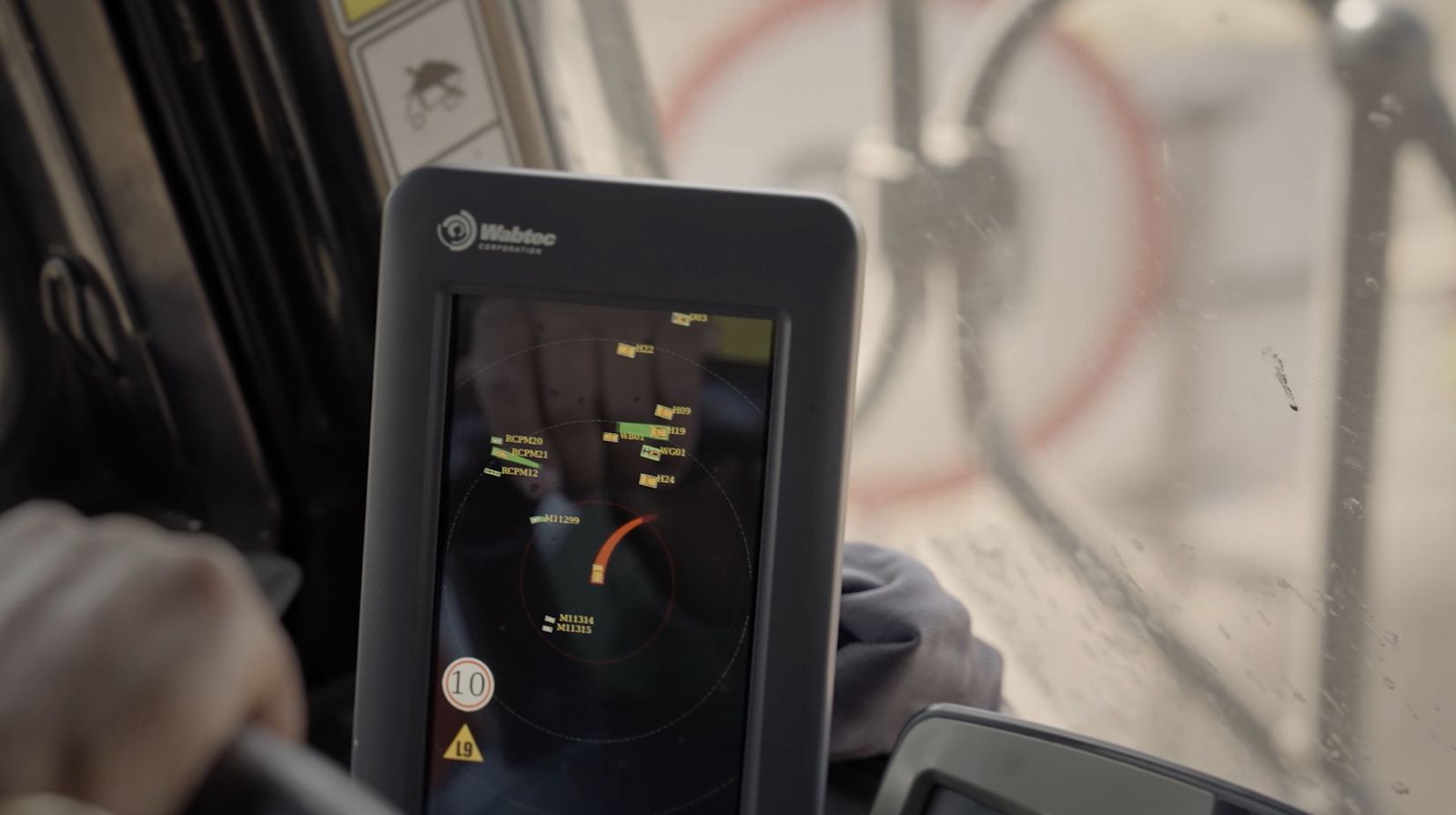
Voice-based warnings in Wabtec Gen-3 CAS have proven particularly effective in reducing alarm fatigue compared to generic audio alerts. When operators receive specific, actionable instructions – “Large truck approaching from your left, reduce speed” – they can respond more effectively and maintain trust in the system. Systems must be designed from the operator’s perspective, solving vehicle interaction problems in ways that enhance rather than hinder their ability to perform their duties safely and efficiently.
Implementation strategy for South African operations
Critical considerations for successful CAS implementation in mining operations include:
Site preparation and infrastructure: Before installation begins, mines must verify communications coverage, network capacity, and IT infrastructure capability. Many CAS failures stem from inadequate back-end systems that cannot support real-time data transmission and analysis.
Baseline establishment: Operating systems in “silent mode” during initial deployment allows for collection of baseline vehicle interaction data. This information proves invaluable for optimising rules engines and alarm logic before going live.
Quality installation standards: Developing machine-specific installation kits with standardised mounting procedures ensures consistent, high-quality implementations. Particular attention must be paid to user interface placement, following AS4024 safety standards for optimal operator visibility and interaction.
Leveraging data for continuous improvement: Modern CAS systems generate vast amounts of operational data that, when properly analysed, provide invaluable insights for improving overall mine safety.
- Heat mapping reveals vehicle interaction hotspots, enabling targeted improvements to haul road design and traffic management plans. Journey replay capabilities support incident investigation and risk reduction initiatives.
- Real-time system health monitoring ensures maximum availability while predictive maintenance capabilities reduce unexpected downtime.
- Fleet management integration creates opportunities for optimised traffic flow and enhanced productivity.
Comprehensive training programmes: Effective training extends beyond basic system operation to include pre-start inspections, failure response procedures, and integration with existing safety protocols. The most effective implementations integrate advanced technology with a human-centred approach – including training and change management processes.
The path forward for South African mining
South Africa’s leadership in CAS implementation provides a unique opportunity to showcase how advanced safety technologies can coexist with productive mining operations. The country’s experience implementing Level 9 systems offers valuable lessons for the global mining community.
With over 15 years of operational excellence and a proven track record of zero fatalities and zero unreported events, Wabtec’s solution offers South African mines a pathway to regulatory compliance while enhancing operational productivity. Wabtec’s Collision Avoidance System Generation 3 represents the industry’s most advanced solution currently available, specifically designed to address the challenges identified in South African mining operations.
For support in implementing successful Collision Avoidance Systems in your mining operations, contact Probe IMT. Tel: +27(0) 86 045 3789 | www.probeimt.co.za | info@imtmining.co.za